Whoa, is arranged marriage a thing now? I thought I was going to be very lonely with that one, for a long time. But, a lot of people are perhaps realizing that dragging out the getting-married process over 10-20 years causes little more than trauma and damage. Get it done.
UnHeard: Why Arranged Marriages Make Sense, by Ed West
Marry Deliberately
This is a message for: men, although women should find it of interest.
In this life, you will either marry or not marry. You will either have children or not have children. If you do have children, I suggest that you marry first. (There have been some, such as Tom Leykis, who have suggested fulfilling your biological responsibilities by just impregnating a woman and paying child support; others have suggested surrogacy.) There are a lot of reasons, today, why marriage is a bad idea, which have been covered by the MGTOW people. But, in the end, some men will marry. In general I am a supporter of marriage and family, in principle. We are trying to get to the point where it can be recommended in actual practice as well.
In practice, about 92% of men eventually marry.
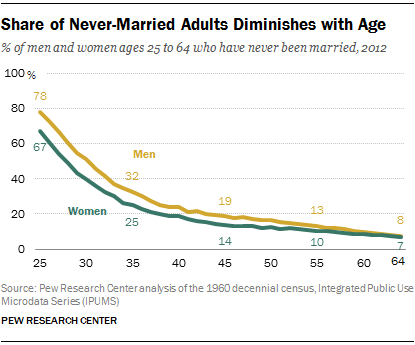
If you marry, marry deliberately. It is something that you Do or that you Do Not Do. Don’t stumble into it haphazardly, because your girlfriend, who is fun to hang around with on weekends but who you never considered fit to be your Wife and Mother Of Your Children, is pressuring you into it. If you are going to Do it, then you want to do it well. The consequences of failure here are enormous.
The only good reason to get married is to have children and family. Marriage also provides other benefits, including sex and companionship, and maybe evening meals that are much better than what you often cook for yourself. But, given the great risks, costs and restrictions of marriage today (and in fact in every era, though never so bad as now), there is no reason to get married just for sex or companionship alone.
Here I am going to suggest how a man today might find that the Courtship Model works for him, to achieve his goals.
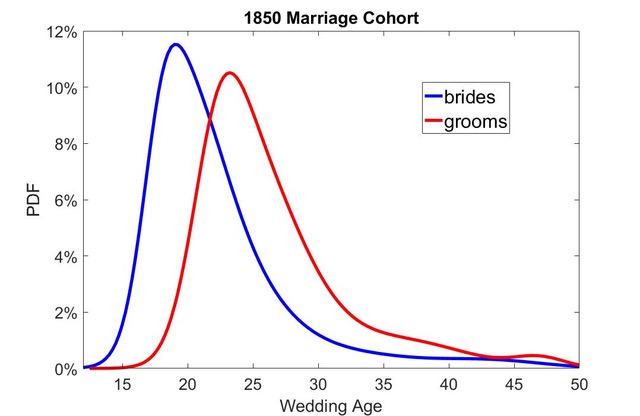
In the Courtship Model, men marry young virgins, typically in the 16-25 age range, with an ideal around 18-20. You could use the Courtship Model for older women with a history, but this introduces complications and is suboptimal. The courtship process is quick: three months from an initial meeting to a wedding ceremony gives a general idea. It could be three days. But, it is a process, like the process of getting a job. It is not a stable state, like “dating,” that one continues indefinitely.
At first glance, this notion may seem impossibly distant. Are we seriously to believe that we are to marry a girl, without actually having sex … or kissing … her first?
But, that is not really so much of a concern in the Courtship model. If you are going to marry a girl, and it is going to be quick (let’s say three months from when you begin “courting”), then you can wait for three months, get married, and then you two can make love nonstop for a month. (This is called the “honeymoon.”) There is really nothing you are going to determine, regarding a girl’s ability to serve as a wife and mother to you, from giving her a poke in the crotch beforehand. Actually, this would probably cloud your judgement — and this is, I might say, the primary means by which so many women today who are unfit for marriage end up eventually finding husbands. Heavily-indebted sluts with tattoos have to do something when, around age 28, they decide to go looking for their Captain Save-A-Ho, but don’t let them do it to you.
In the Courtship Model, you make it clear upfront that you are looking for a wife, and there is going to be a straight Yes or No result in a short amount of time. Women too, given a Take It Or Leave It proposal, might find that they would rather Take It than take their chances with whatever other nebulous happenstance (“dating”) that constitutes her other options, even if she doesn’t really know you that well.
The advantage of the girl who does not have sex with you before marriage is, of course, that she also does not have sex with other men before marriage. Remember how sweet and tender your first girlfriend was? It was probably in high school. A woman will never have that kind of pair-bonding potential again. Every time a woman has a failed relationship (including those that she ends herself), she adds to her distrust and hard-heartedness towards men. She builds the habit that relationships don’t last. This is one reason why marriages with virgin brides have the highest success rate, even in an environment like ours today where divorce is promoted from every angle.
Recently, it was discovered that women retain the DNA (from semen) from every man they have sex with. Ponder that for a while.
Among other things, a woman that is a virgin at marriage today is already well-practiced at separating herself from the mainstream culture. It is true that this may have been imposed on her by her parents, and reinforced by her community such as a church group — and she might not be so successful at this when these supports are removed. Nevertheless, it is a good precedent for avoiding all the other negative influences from media and society that she will be exposed to throughout her life.
This woman should be young — age 16-25, with an ideal around 18-20. I would not cross out sixteen-year-olds today. You might have to get things rolling at an early point, maybe have a discussion with her mother, so that she does not end up going off to college and making a mess of her wifely potential. Then, you can marry at 18. Saint Mary was sixteen when she married Joseph, who was much older. It worked out OK. She is not going to get any better with age.
You can scope out the family that she comes from, which will probably be pretty good. Their wealth and status is not such a big deal, since it is primarily you who are bringing the money to the table, but obviously there is better and worse here. Look for high standards, a strong sense of morals and behavior, and encouragement of wifely skills and natural feminine inclinations, such as a love of children. There aren’t many quality virgin girls who grew up in single-mother households with a revolving door of boyfriends. Feminists go direct to the trashcan, although it is hard to imagine a (voluntary) feminist virgin.
Of course she should be pretty, and slim, but it is not necessary that she be a great beauty. As has been said many times down through the centuries, sometimes it is nice to have a wife that does not attract the attention of every man in the room. Often, a husband sort of forgets what his wife looks like, due to constant exposure. He doesn’t really know if another man might think her very pretty, or not so much. Even if she really is an extraordinary beauty, you won’t care that much, and whether she has a bad habit of nagging and complaining, or if she is a good cook, will be much more important to you. Likewise if she is somewhat plain. But, there is no reason to accept ugly and fat girls, unless perhaps they come from wealthy families. In general, if a woman is tolerably pretty and slim, then various character traits are much more important than an additional step up in beauty. Beauty is often overvalued in the wife-choosing process, and also, it fades. Just as location, location, location is the rule for real estate (rather than the building itself, such as how many bathrooms it has, which tends to get too much attention from the homebuyer), so too character, character, character is the rule for women. It is said that, after age 40, you get the face (and body) you deserve, and many women who were a 6/10 in their youth can advance to an 8/10 or even 9/10, compared to other women in their age group, from taking good care of themselves. Other women crash into obesity. In other words, character also produces beauty, later in life.
Probably you will want a wife whose intelligence is somewhat similar to your own. An intelligent man will want someone he can talk with. A man of average intelligence will want a woman who does not think he is a dunce. But, intelligence is not the same as education, or the ability to jump through educational hoops on demand. Smart girls are usually smart in their free time. Look for the seventeen-year-old girl who is reading George Eliot for fun because she finds Hollywood movies intolerably stupid. She isn’t going to get any smarter at college. But, a woman can be a very good wife, without needing much intelligence. Character is not the same as intelligence. There are a lot of smart girls who will use their wonderful brains to figure out novel ways to skin you alive in divorce court, or to invent a neverending deluge of plausible reasons why It Is All Your Fault, or why you need to do XYZ because Feminism.
It helps if you are in love with each other — that there is mutual attraction that goes beyond your respective “courtship resumes,” and it is not so much of a dry business proposition. Since you will probably have a fair amount of experience, and she not very much, it might be mostly a matter of her falling in love with you, and you liking it. Often, all this takes is for her to be in your general vicinity for an adequate amount of time — with the unspoken understanding that she might be riding your dick soon if things go well, which is pretty exciting for a virgin of eighteen. This is one goal of the courtship process.
Much more can be said about these matters, which I will get to in time. But, already perhaps I have convinced many men that the Courtship Model is what they want to follow, when it is their time to do what 92% of men eventually do.
Realistic Guide for Men Getting Married
One of the funny things that happens is that the “red pill” types, who tend to be coolly analytical and not attached to any predefined moral code, end up being more “traditional” than all but the most ardent Christians. This was my conclusion too: that you would either have Courtship or chaos, and if you choose Courtship, then everything that is contrary to that pattern will have to be discarded. This is the “realistic guide to men getting married,” a classic from Men 101 (formerly MGTOW 101) on YouTube. Women could also learn a lot from this.
Fitness Moms
This message is for: women.
Since we have been on the topic, I will bring up the point here that, not only is being a babe (the term “hottie” implies a little too much sluttishness) a rather nice thing in general and also an important part of your husband-hunting strategy, it is also one of your primary duties as a wife. You do not “pull the pin on the fat grenade” and bloat up like a pig after your wedding day. You do not make a bunch of excuses after childbirth. Looking good (and consequently, good diet and exercise) is something that the Good Wife does for the rest of her life.
For example:
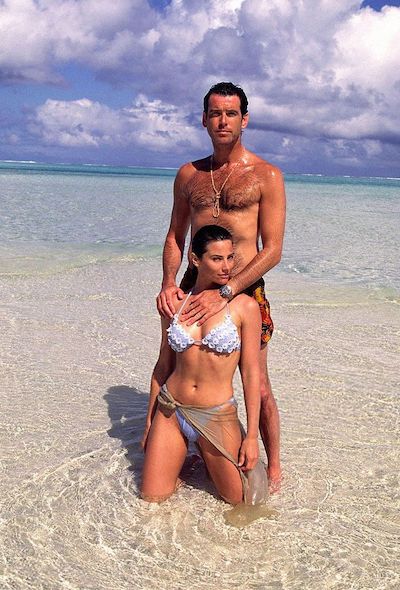
Yes, this is Hollywood actor Pierce Brosnan, who is not only Alpha As Fuck to begin with, but also plays that role in movies. And, that is his wife, who is, naturally, the sort of woman that a man like him deserves.
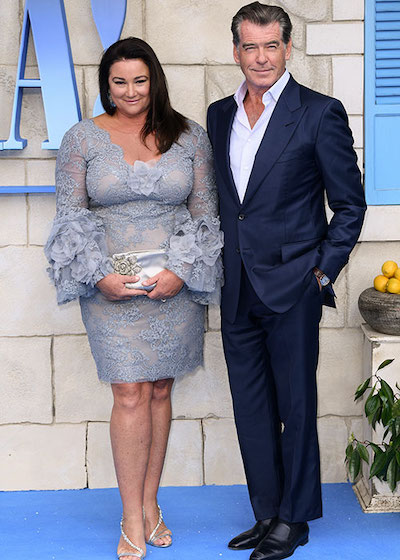
Here is Pierce Brosnan again, looking as good as ever. He is 63 in this photo, and teaching all us men what we should also look like at age 63. If he was single today, at age 63, he could have a “soft harem” of girls under 25 by the end of the week. They would be pulling each other’s hair out for a seat in his German luxury sedan. There is his wife again, looking like … well, let’s be nice. I respect Brosnan for sticking with this woman, actually. I was going to say: “which is more than she deserves,” but as a faithful married woman, she does deserve that. Considering that she could afford all the personal trainers, dieticians and personal cooks that money can buy, her failure is particularly acute. But, there are plenty of slim high-society wives whose husbands look like the male equivalent, and they deserve fidelity also.
Nevertheless: No fatties.
NO NO NO NO NO NO
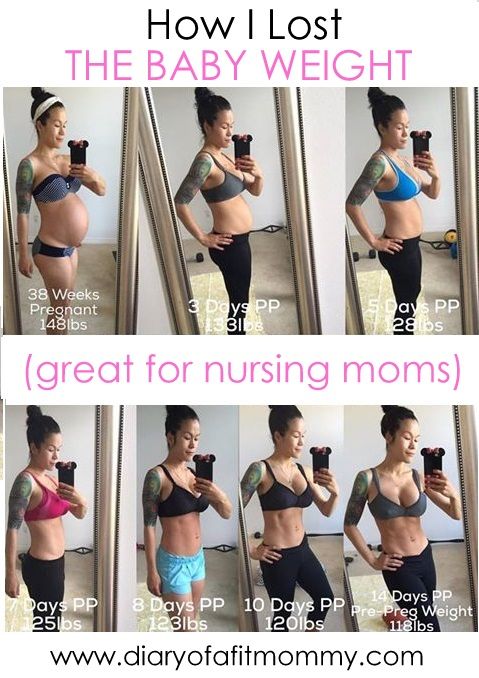
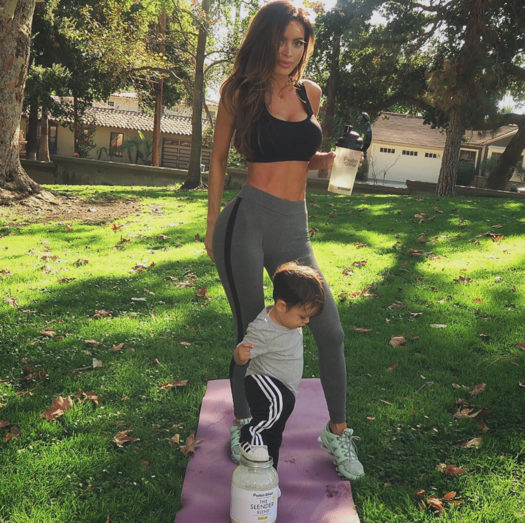
I find that it helps to attach words to image, so we will here admire some “fitness moms,” who exercise regularly, look great, and are married with children.
LIKE THIS, GIRLS:

It gets even better when Dad joins the fun. Pierce Brosnan would.
Those girls are going to have veeeery high standards when they get older. And those baby boys are not going to tolerate any fat bitches, no way.
You don’t really need to be so ripped up as this. But, it just happens when you eat well and exercise every day.

If you wife looks good in a bikini while actually pregnant, you are winning.

Yoga is good. I like yoga. Oh yes.
Tattoos on four-year-olds, not so much.

You don’t really need to go to fitness competitions as a husband/wife pair. But, you could.
Of course, everybody ages. When she is in her matronly years (45+), a wife should still look good, just as Pierce Brosnan does as a man. Here you can put the bikini away. “Dignity” and “elegance” are your goals. Here is former top model and raw foodist Carol Alt, in her mid-fifties. This is what Pierce Brosnan’s wife (who was almost as good looking as Carol Alt when younger) should look like now:

Not too much makeup. Natural beauty.

Nice job, Carol!
For her age group, still one of the most beautiful women around.
More Babe Inspiration
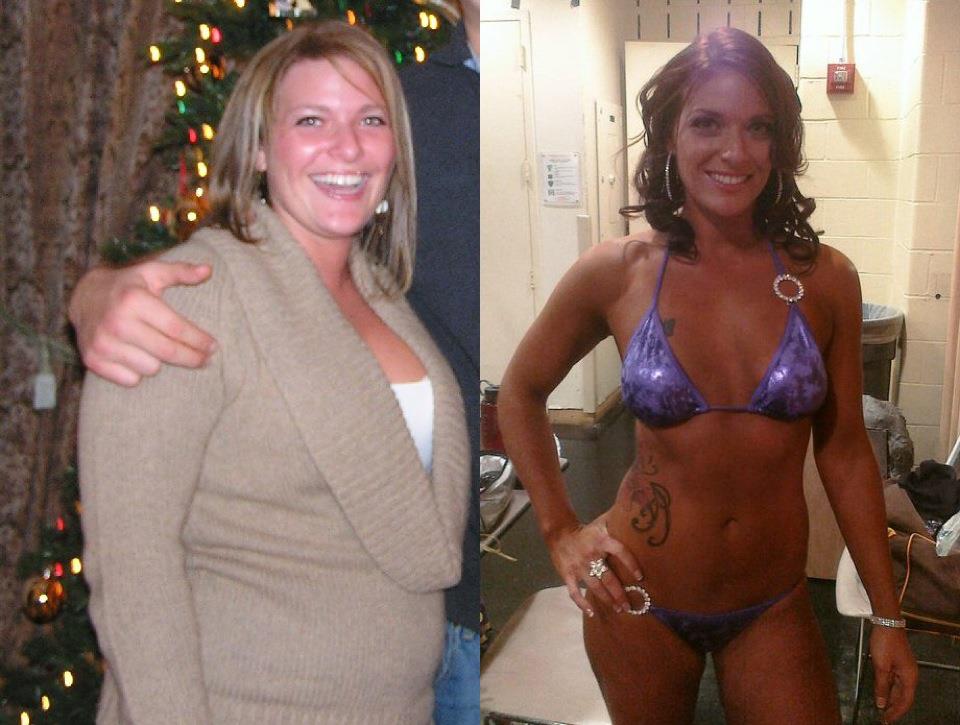
I have a soft spot for these “before and after” pics. In a world where people seem to be getting uglier and uglier, here are a few girls who went the other way. You could be one too, girls. It’s not hard to do.
5/10 to 9+/10. Potential fully realized.

4/10 to 8/10. You would be excited too.
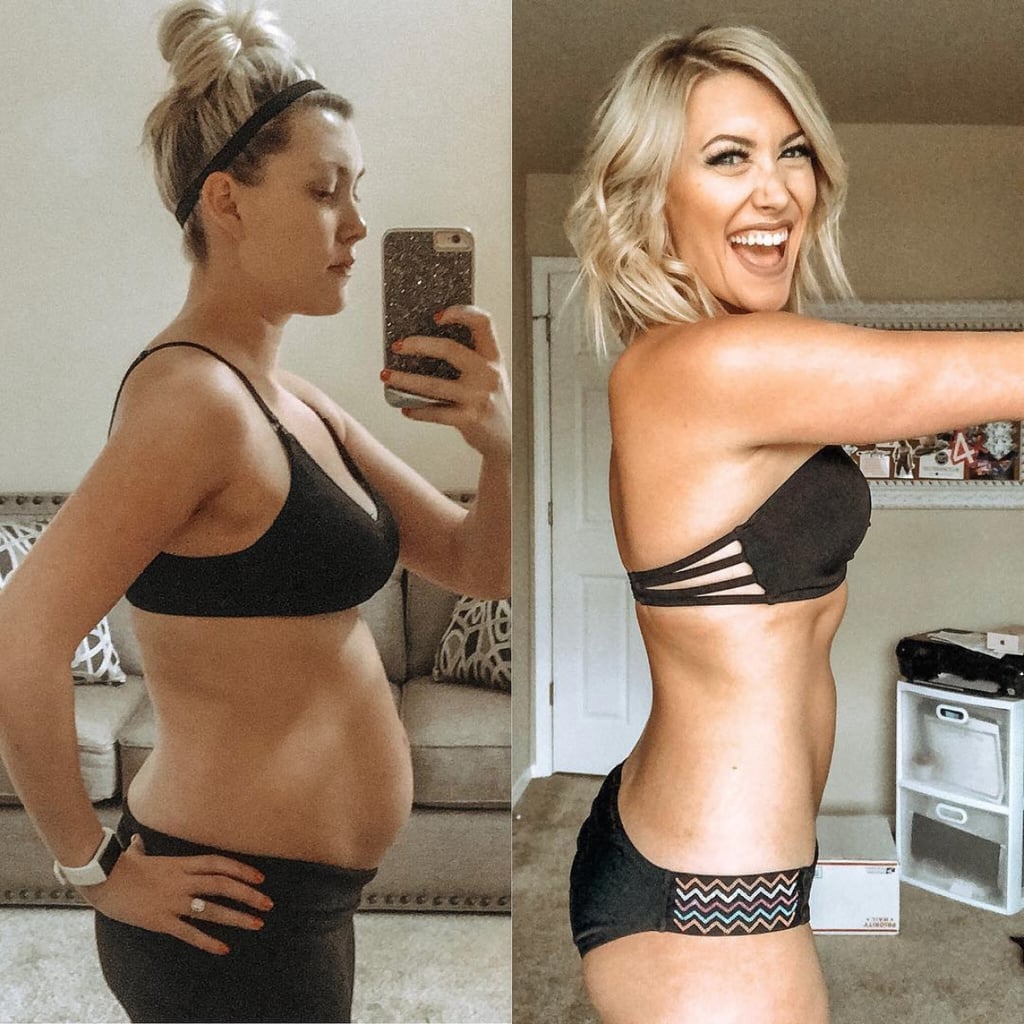
4/10 to 7/10. She could probably clean up to an 8.
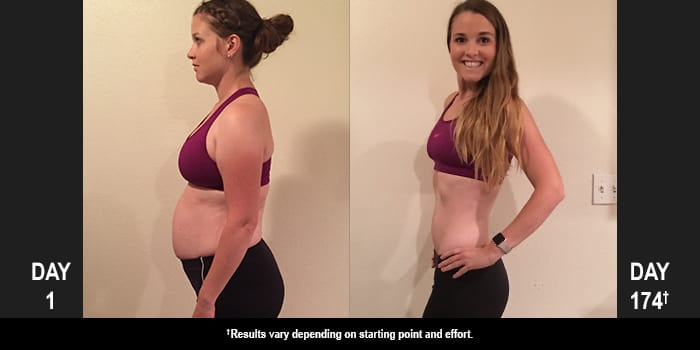
6/10 to 9/10. This is a very pretty girl to begin with. She looks over 30, so on an age-adjusted basis, we might have to give her a 10.
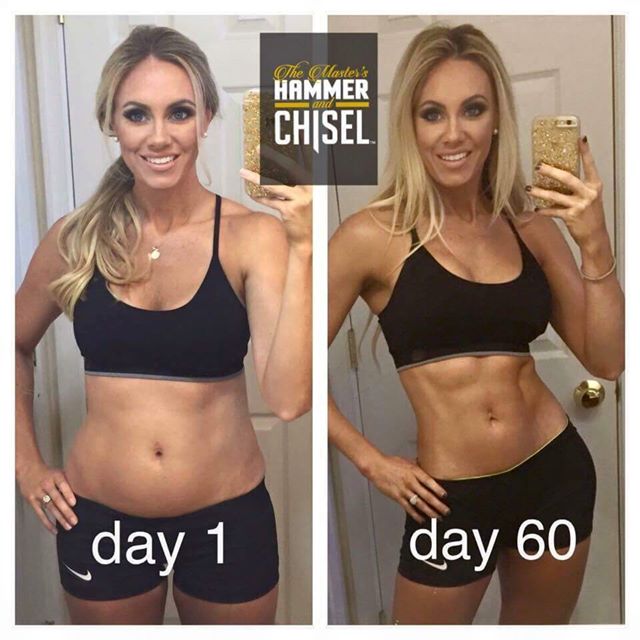
3/10 to 8/10. I don’t like the tattoos much, but: Great job!
How To Be A Babe
This is a message for girls.
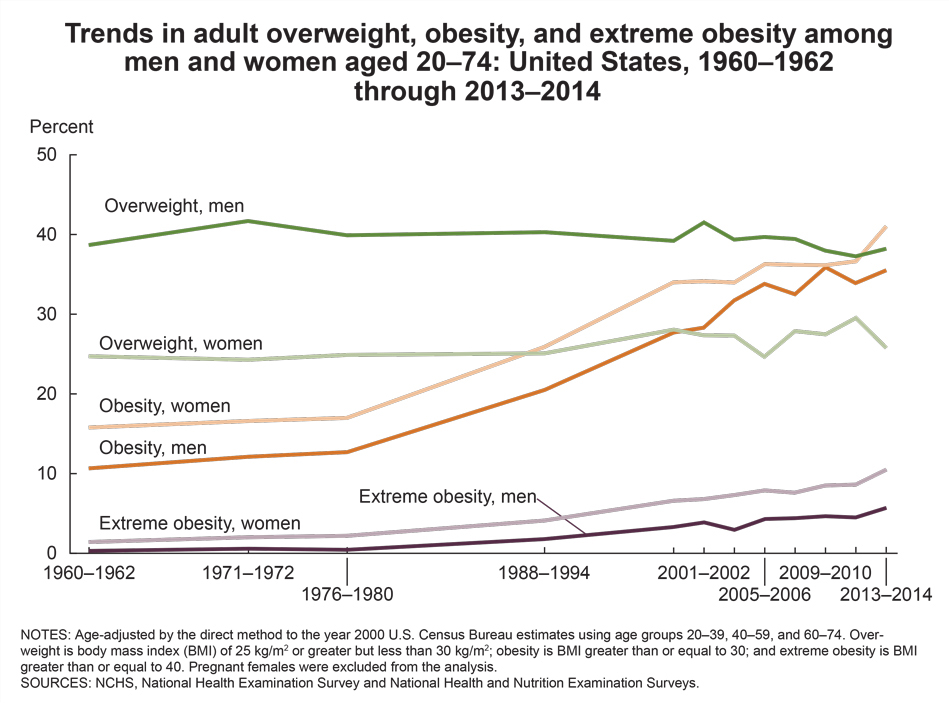
With all the advantages given to pretty girls, and also how easy it is to be one, you would think that there would be more pretty girls around. But, unfortunately, the majority of American women today are fat and ugly. Specifically, 70% are obese or overweight, and that does not count those that are ugly for other factors, including bad dress, bad manner and intentional uglification including green hair and noserings.
This is good for those girls that are not fat and ugly, since they face very little competition, and natural beauty is in unnaturally short supply, and the advantages that accrue to beauty are thus increased even more.
I think that nearly any woman age 16-25 can be “beautiful.” Compared to a 35 or 50 year old woman, the advantages of raw youth are so great that you would have to be rather ugly not to be considered “pretty” during these years.

So, this is how to do it:
Basically, you have to be thin and healthy, and have a natural feminine interest in making yourself look good. By this I mean clothing, hairstyle, manner and so forth. You do not need to be a fashion expert or do amazing wizardry with makeup. You just have to master some basic skills, and not intentionally try to make yourself ugly. (Long hair please.)
“Thin and healthy” is the natural state of young women. This requires only two things: good diet, and regular exercise. Unfortunately, this has become rare today. So, you are going to have to do something that is different from what everyone else is doing, which is eating bad food and not exercising adequately.
By “good diet” I mean WHAT you eat, not HOW MUCH. Calorie restriction is generally unproductive. Your body will naturally maintain a healthy equilibrium if it is provided with good food, and you don’t binge.
If you want, you can use moderate calorie restriction during a short “slim-down” phase, and then discard it afterwards. But, you might find that, if your diet is very high in quality, and you are also exercising, you can lose a lot of weight while also eating all that you want. Carol Alt was one of the top models of the 1980s, with over a hundred magazine covers to her name. Playboy magazine called her “the most beautiful woman in the world.” Calorie restriction and daily exercise was part of her professional regime. She even made a series of exercise videos. This, she says, was an exhausting process, and left her chronically unhealthy. Later, she cleaned up her diet (going full Raw although including some meat), and found that she got better results while eating all she wanted and also exercising less.
There are, unfortunately today, too many seemingly-contradictory notions of what constitutes a “good diet.” Basically it is: natural, whole foods. Fruits, vegetables, and meats. Avoid all processed foods. Basically, “single ingredient foods” are best. If it has a package or a list of ingredients, avoid it (in principle, with some exceptions). For example: beef does not have a list of ingredients. Neither do pineapples, potatoes, paprika, or beans.
Avoid the Genetically Modified foods. Mostly, this means soy products, and corn products. Wheat has not been “genetically modified” in a laboratory, but it underwent many changes and seems to have developed problems from around 1980. That is the basis for the “gluten-free” (basically, wheat-free) movement today. Wheat today is not what it once was. It has the same name, but it is different.
We rarely eat soy and corn today except in processed foods. So, if you eliminate processed foods, you will also eliminate most soy and corn. If you really want to have something with soy or corn in it (tofu or polenta perhaps), then look for organic alternatives.
Avoid the White Foods. This means foods made from: white flour, white sugar, milk, and salt. Mostly, these are baked goods, and things such as pancakes. I would avoid all dairy, on principle, or at least reduce dairy substantially. Avoid large amounts of vegetable oils. If you are going to use vegetable oils, avoid frying (high heat), and look for raw oils such as olive oil. These are also referred to as “refined foods” (refined flour, refined sugar, refined oils).
Eat a lot of fruits: citrus, apples, pineapples, bananas, berries, grapes, mangoes, dates, figs, melons etc. Most people don’t each much fruit. One thing that is nice about fruit is that you don’t have to cook it. Mostly, you just stick it in your mouth.
Eat a lot of vegetables: potatoes, squash, beans, lentils, peppers, cucumbers, tomatoes, beets, leafy green vegetables, broccoli, etc. etc. etc.
Eat some meat, if you want to, or go vegan if you want to.
If you are going to get very serious about developing a great body in not much time, I would do a Raw Vegan diet for six months. This means mostly raw fruit, with some other vegetables.
A lot more can be said about what a “good diet” might entail, but all the better proposals typically have these elements.
Now, exercise:
Get regular exercise. This can take many forms, including sports, dance, or hard manual labor. If you don’t know what to do, then consider a video workout program such as those provided by Beachbodyondemand.com. These typically take around 30-45 minutes per day, and are very effective. It costs $99 a year and you can do it in your living room. For maximum results, work out every day (which means six days a week with a recovery day).
That’s it. Good food and exercise.
The average girl today, if she wasn’t fat or intentionally uglified, would probably be about a 7/10, which is a pretty high score. Even a girl who was genetically undergifted would probably be at least a 5/10, which is not bad (“plain, homely”), and could probably move up to a 6/10 if she had a particularly hot body (works out every day) and took some care with hair and clothing.
5/10 to 7/10: A nice girl-nextdoor look, without the flab of the actual girl next door.

5/10 to 8/10: A somewhat average girl, but That Body …
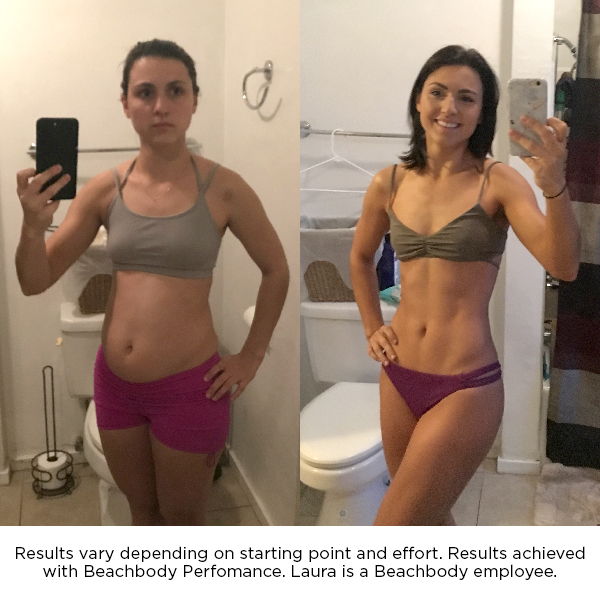
2/10 to 7/10: Awesome accomplishment.

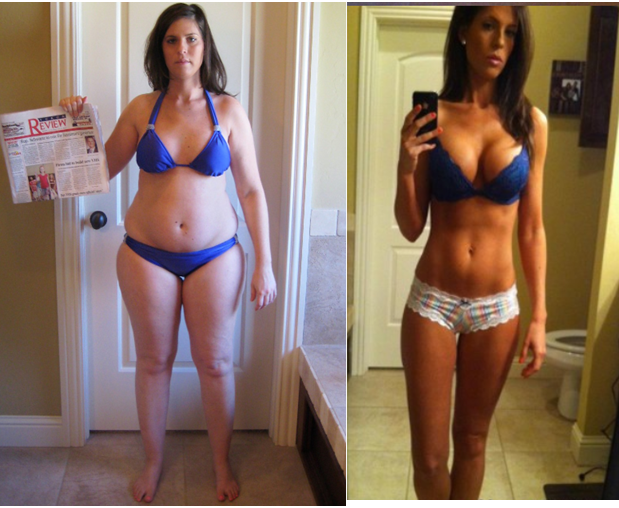
3/10 to 9/10: Maybe more of an 8/10, with a bonus point for presentation.
Maintaining a trim, healthy body with good food and regular exercise does not end after you bag a man on your wedding day. You should consider it a fundamental wifely duty, and also, something that you will teach your children. Probably your husband would get interested as well, which would be very advantageous for you.
Note to girls: Probably any girl who gets regular work as a fashion model should be considered a 10/10. However, in practice, the 10/10 rank is a matter of a man’s personal taste. Every time a man says: “That girl is a 10,” there are three other men, with different tastes, who will say: “That girl? She’s an 8 at best!” For this reason, men almost never use the 10 ranking.
Matriarchy Does Not Exist
Matriarchy does not exist. Apparently, it has never existed. Anthropologists can’t find a single example of it.
Most anthropologists hold that there are no known anthropological societies that are unambiguously matriarchal, but some authors believe exceptions may exist or may have.
There are very male-dominant patriarchies, where women may be forbidden to vote or own property. And there are situations where women take an almost equal role with men, which is common today. But, there has been no society where women lead and men follow.
Feminists today will no doubt claim: “Because, nobody thought of it!” Oh, in all of the history of civilization, there has never been a woman who seeks power over men? Even when a woman is in power, and in fact rules well, she is something of a caretaker of a patriarchy.
“I am most anxious to enlist everyone who can speak or write to join in checking this mad, wicked folly of ‘Women’s Rights’, with all its attendant horrors, on which her poor feeble sex is bent, forgetting every sense of womanly feelings and propriety. Feminists ought to get a good whipping. Were woman to ‘unsex’ themselves by claiming equality with men, they would become the most hateful, heathen and disgusting of beings and would surely perish without male protection.”
Queen Victoria (1819-1901), ruler of the British Empire at its peak.
Apparently, if there ever was a matriarchy, it collapsed so fast that no historical record of it was left.
There have always ever been good patriarchies, and bad ones.
An increase in the influence of women in public life has often been associated with national decline. The later Romans complained that, although Rome ruled the world, women ruled Rome. In the tenth century, a similar tendency was observable in the Arab Empire, the women demanding admission to the professions hitherto monopolised by men. ‘What,’ wrote the contemporary historian, Ibn Bessam, ‘have the professions of clerk, tax-collector or preacher to do with women? These occupations have always been limited to men alone.’ Many women practised law, while others obtained posts as university professors. There was an agitation for the appointment of female judges, which, however, does not appear to have succeeded.
Soon after this period, government and public order collapsed, and foreign invaders overran the country. The resulting increase in confusion and violence made it unsafe for women to move unescorted in the streets, with the result that this feminist movement collapsed.
All Women Are Like That (1787 edition)
Mozart’s opera Don Giovanni is considered one of the best operas of all time. At one point, the peasant girl Zerlina is seduced by the licentious nobleman Don Giovanni, but they are interrupted before proceeding. Her (unconsummated) infidelity discovered, she goes to her fiance and begs him to forgive her. Specifically, she requests for him to beat hear. “I am here, meek as a little lamb, awaiting your blows.” The aria is called: “Batti, batti, o bel Masetto,” or “Beat me, beat me, handsome Masetto.”
My reaction is that women are desperate for male discipline. Rules. “Frame.” Basically, patriarchy. By themselves, they are formless and inconstant. She wants to be punished, because that is what the kind of man she wants should do, in this situation. Only a sniveling fool would take back a woman after that kind of transgression without punishment. Then, having been properly punished and thus reconciled, they can get on with some hot forgiveness sex.
Her fiance is here played as a sniveling fool, but that is perhaps a “modern” interpretation.
Later, we will take a look at another of Mozart’s great operas, Cosi Fan Tutte, translated in English as: “All Women Are Like That.”
Sluts and Whores
“Sluts” and “whores” are often words used interchangeably, but to my mind they have rather different meanings.
A “slut” is a woman who is promiscuous for fun. Specifically, I would identify a “slut” as a woman who exceeds a sexual partner count of 15-20 or so where it appears that she becomes incapable of a stable monogamous relationship. I find this boundary pops up again and again. For example, it is about the same as Terrence Popp’s “dick stacking test.” Popp says: take the number of sexual partners a woman has had, multiply by 6″ (the average dick length), and push her off a platform of that height. If she doesn’t get hurt, she’s OK. Obviously, 15-20 dicks would mean 7.5-10 feet, which is about as high a platform as a woman could be pushed from without injury.
But, even sex gets a little boring eventually. A woman becomes a “whore” when she stops having sex for personal enjoyment, and begins to see it as a means to some other end, typically money and status. Around this time, she stops having sex with sexy broke guys, and becomes a gold-digger. A “whore” may be paid by the hour; she may be paid in the form of presents, expensive dinners, weekends out of town or yacht voyages that affluent men often provide; or she may be paid by a multiyear contract (marriage), but in either case, its a sex-for-money transaction. Typically this transition from “slut” to “whore” takes place around age 26-28.
You could argue that any marriage can be a sort of sex-for-money transaction, but what characterizes the whore is that her benefit comes at another’s expense — her husband, children, and those around her. She is inherently destructive and consumptive. It is a negative-sum proposition. The man eventually realizes that he is married to a parasitic predator. A good wife works in cooperation with the husband, and the result is benefit for the husband and children, and also for the wife herself. It is inherently a productive, mutually-beneficial engagement.
Some whores go back to being sluts. If their attempts at gold-digging — or in fact marrying any beta chump who will serve as a meal ticket — fails, or if she blows up her marriage for an exit bonus of cash and prizes, she may go back to having sex for fun. This is typically between age 35-45. Then, she becomes a “cougar,” and goes back to sexy broke guys, typically much younger. She might still be conducting a gold-digging campaign of some sort, but without much success, having aged out of the range where any man with enough cash would be interested.
What Arranged Marriage Looks Like
Tolstoy wrote that arranged marriage was common in Russia before 1800 or so. Typically, the larger the estate, and the more at stake, the less things would be left to a young man or woman’s “feeeelingz.” Mr. Darcy, in Pride and Prejudice, has an effective arranged marriage with Anne de Bourgh, the heir of a great estate. His refusal (dumb!) to marry Anne (who was sickly but probably a very fine woman otherwise, raised up to her elevated class and station), instead choosing Elizabeth Bennett, makes up the drama of the novel.
To give you an idea, this is the house (“Rosings”) where Anne lived, as represented in the 2005 BBC production, and which she would have inherited along with all of the productive agricultural assets which made this lifestyle possible, and which Darcy would have been master of, if he had married Anne, as both his mother and Anne’s mother wished.

Here is Anne de Bourgh herself, as played in the 2005 BBC production:
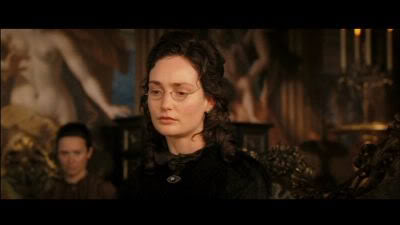
I know what you are thinking: “I wouldn’t bang her for a billion dollars!” Obviously, Pride and Prejudice is extreme women’s fantasy, albeit gorgeously written.
OK, girls, here is Mr. Darcy, to whom Anne’s marriage was arranged:

And here is his house (“Pemberly”), a mere rustic shack by comparison:

But the point … oh yes, the point … is that arranged marriage was common in the West, as it is also common in India and East Asia.
Here is a representation of an arranged marriage between two middle-class people, in Tokyo in 1860, from the NHK drama Shinsengumi (2006). (Go to 4:16. For some reason, embedding YT times has been problematic. For a little better view of what she looks like, go to 40:57.)
 Cornerstone